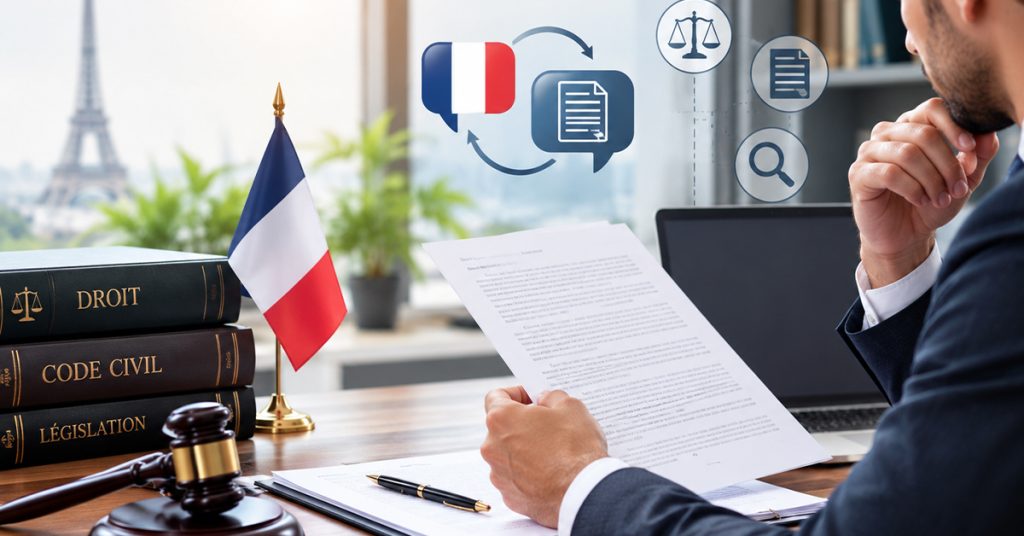


Expanding into French-speaking markets requires more than converting a brochure into another language. Companies must communicate accurately with suppliers, customers, investors, employees, regulators, and advisers. Reliable french document translation helps businesses present contracts, corporate records, proposals, financial information, product materials, and official files clearly while maintaining consistent terminology across markets.
Prepare before entering a new market
A UAE business may work with French-speaking partners in Europe, Africa, Canada, or other international markets. Before translating, identify the target country, audience, document purpose, preferred language variety, deadline, and receiving organisation.
A distributor may need a product catalogue and agreement, while an investor may request financial statements, incorporation records, shareholder resolutions, and due-diligence files. Preparing a document list early helps avoid last-minute gaps.
Build trust with clear communication
International partners judge a company by the clarity of its proposals, contracts, website, presentations, and customer support. Awkward wording or inconsistent terms can make a capable business appear unprepared. Natural French should communicate the intended message while preserving the company’s tone and commercial priorities.
For example, a Dubai technology company seeking a French distributor may need to explain pricing, delivery, technical support, warranties, data handling, and renewal terms. Translating each document separately without a glossary can produce different names for the same product or service.
Protect commercial and legal meaning
Contracts often contain payment conditions, delivery duties, warranties, confidentiality, intellectual property, liability, termination, and dispute-resolution provisions. A word-for-word version may sound fluent while changing an obligation, exception, deadline, or commercial risk.
A professional provider should preserve defined terms, clause numbering, schedules, tables, footnotes, cross-references, and attachments. Compare source and translation for names, dates, figures, currencies, registration numbers, and signatures before sharing the file.
Support corporate and official documents
Companies entering a new market may need French versions of articles of association, trade licences, certificates, powers of attorney, board resolutions, audit reports, employment agreements, and bank documents. These may be reviewed by a government department, bank, law firm, notary, embassy, or partner.
The destination authority may require certification, notarisation, attestation, a translator’s stamp, or a particular printed or electronic format. Confirm the requirement before translation. A provider cannot guarantee acceptance because the receiving authority decides.
Improve customer and digital experiences
Expansion also involves websites, landing pages, product guides, privacy notices, forms, emails, help-centre articles, and social media content. Website text should be adapted for its purpose rather than translated word for word. Calls to action, dates, currencies, contact details, delivery information, and legal notices should be reviewed in the published layout.
A technical buyer may need precise specifications, while a consumer may need simple instructions, transparent pricing, and reassuring support information. Reviewing content with the original design helps catch layout problems and missing text.
Manage confidentiality and quality
Expansion files may contain trade secrets, customer data, financial records, pricing, employee information, signatures, and product plans. Ask how documents are transferred, who can access them, how working copies are stored, and when temporary copies are deleted.
A reliable provider should flag incomplete sources, maintain an approved glossary, proofread important files, and review related documents together. Businesses should share previous translations, brand guidance, and preferred terminology to keep communication consistent.
Active Translation Services (A4T) helps businesses prepare accurate, natural, confidential content for international partnerships and official use. When a project involves French legal translation, share the complete file, target market, audience, destination authority, and deadline so translation can support expansion from the beginning.