
The world of translation is a diverse one, covering thousands of languages, each with its own intricacies. Among these, right-to-left (RTL) languages like Arabic stand out as uniquely challenging for businesses and translators.
Arabic, one of the world’s most spoken languages, is not only linguistically complex but also deeply tied to culture and tradition. For companies aiming to engage effectively with Arabic-speaking audiences, mastering the art of Arabic translation and localization is crucial.
This article explores the challenges of translating Arabic, from typography and cultural nuances to technical limitations, and provides insights into how businesses can succeed in Arabic markets.
Understanding RTL Language Dynamics
Languages like Arabic, Hebrew, and Persian are written from right to left, fundamentally differing from English and other left-to-right (LTR) languages. This impacts:
-
Text formatting and reading order
-
User interface design in websites and software
-
Mixed-language documents with English phrases, numbers, or diagrams
Arabic adds another level of complexity: connected letters that change shape depending on their position in a word. Translators must understand these dynamics to ensure both accuracy and readability.
The Challenge of Typography and Script
Typography is one of the biggest hurdles in Arabic translation. Unlike Latin scripts, Arabic letters shift shape depending on placement within a word. This makes font choice critical.
📊 International Journal of Translation study:
-
65% of Arabic readers reported difficulties with poorly designed fonts that failed to represent script correctly.
For businesses, overlooking typography can mean loss of credibility and poor engagement. Choosing culturally suitable, legible Arabic fonts is essential for brand success.
Cultural Nuances and Context
Arabic is more than a language — it is a cultural identity. Regional dialects, idioms, and traditions vary widely.
Example: The phrase “I love you” is expressed differently in Moroccan Arabic vs. Egyptian Arabic. Literal translations can easily misfire.
📊 Arab Center for Research and Policy Studies:
-
75% of consumers prefer localized content that feels culturally relevant.
👉 Successful Arabic translation requires deep cultural sensitivity, ensuring content resonates with the target audience.
The Requirement for Arabic Localization
Translation alone is not enough. Arabic localization involves:
-
Adjusting layouts for RTL directionality
-
Adapting colors, symbols, and visuals (e.g., white = mourning in some Arab cultures vs. purity in the West)
-
Respecting cultural norms and sensitivities
Companies that invest in full localization—not just word-for-word translation—are far more successful in Arabic markets.
Technical Constraints of RTL Languages
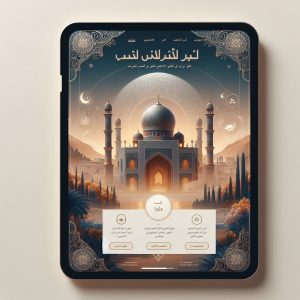
Arabic translation faces unique technical challenges:
-
Many CMS platforms default to LTR layouts
-
Complexities in menus, tables, and diagrams
-
Issues in mobile UI/UX design
📊 Localization Industry Standards Association survey:
-
70% of companies that failed to address RTL formatting issues saw user satisfaction and engagement drop significantly.
👉 Solution: use platforms and design tools that support bidirectional scripts.
The Role of Professional Arabic Translators
Arabic requires translators who combine:
-
Linguistic expertise
-
Cultural knowledge
-
Technical understanding
Unlike casual bilinguals, professional translators ensure that:
-
Script is accurate
-
Context is preserved
-
Content is culturally appropriate
📊 Globalization and Localization Association:
-
The market for Arabic translation services is growing 15% annually, highlighting rising demand for skilled experts.
Best Practices for Arabic Translation and Localization
-
Invest in Professional Translators → Avoid machine-only translation.
-
Test Layouts Rigorously → Ensure websites, apps, and documents display correctly in RTL.
-
Localize, Don’t Just Translate → Adapt visuals, tone, and color symbolism.
-
Account for Dialects → Use Modern Standard Arabic (MSA) for formal communication, but adapt marketing to local dialects when necessary.
-
Respect Cultural & Religious Contexts → Particularly in advertising and formal communication.
FAQs: Navigating the Complexities of Translating Arabic
1. What makes Arabic difficult to translate compared to English?
Arabic has complex grammar, verb systems, and cultural idioms that often have no direct English equivalents.
2. Why is text direction (RTL) important in Arabic translation?
It affects not just reading order but also page design, user interface, and document formatting.
3. Which dialect should businesses use for translation?
Use Modern Standard Arabic (MSA) for formal documents but adapt marketing content to local dialects for authenticity.
4. What cultural issues should businesses watch for?
Colors, imagery, and idioms vary by culture. E.g., white symbolizes purity in the West but mourning in some Arab cultures.
5. What technical challenges exist with RTL languages?
Tables, diagrams, and websites often break when not optimized for RTL. Specialized tools are needed.
6. How can accuracy in Arabic translation be ensured?
Through native-speaking translators, quality assurance, and cultural review by subject experts.
7. How should religious references be translated?
Carefully and respectfully, often requiring explanatory notes or adapted phrasing.
8. What role does localization play in Arabic translation?
It ensures that language, visuals, and tone align with Arab cultural expectations, increasing engagement.
9. Can machine translation handle Arabic?
Not reliably. Machines struggle with Arabic’s grammar, script, and cultural nuance without human editing.
10. What’s the biggest pitfall to avoid?
Relying on direct word-for-word translation without accounting for cultural context or RTL formatting.
Conclusion: Mastering Arabic Translation

Translating Arabic is a specialized skill requiring mastery of language, script, culture, and technical constraints. Businesses that underestimate these challenges risk damaging credibility in one of the world’s fastest-growing markets.
At Active Translation Services, we help businesses conquer the complexities of Arabic translation and localization. Our expert team ensures that your message is not only accurate, but also culturally resonant and technically flawless.
👉 For companies expanding into the Arab world, investing in professional Arabic localization is the key to success.
🌍 Planning to enter Arabic-speaking markets?
💡 Let Active Translation Services help you bridge the gap with expert Arabic translation and localization.
👉 Contact us today to get started.